
 IT
IT HR
HR DE
DE SI
SI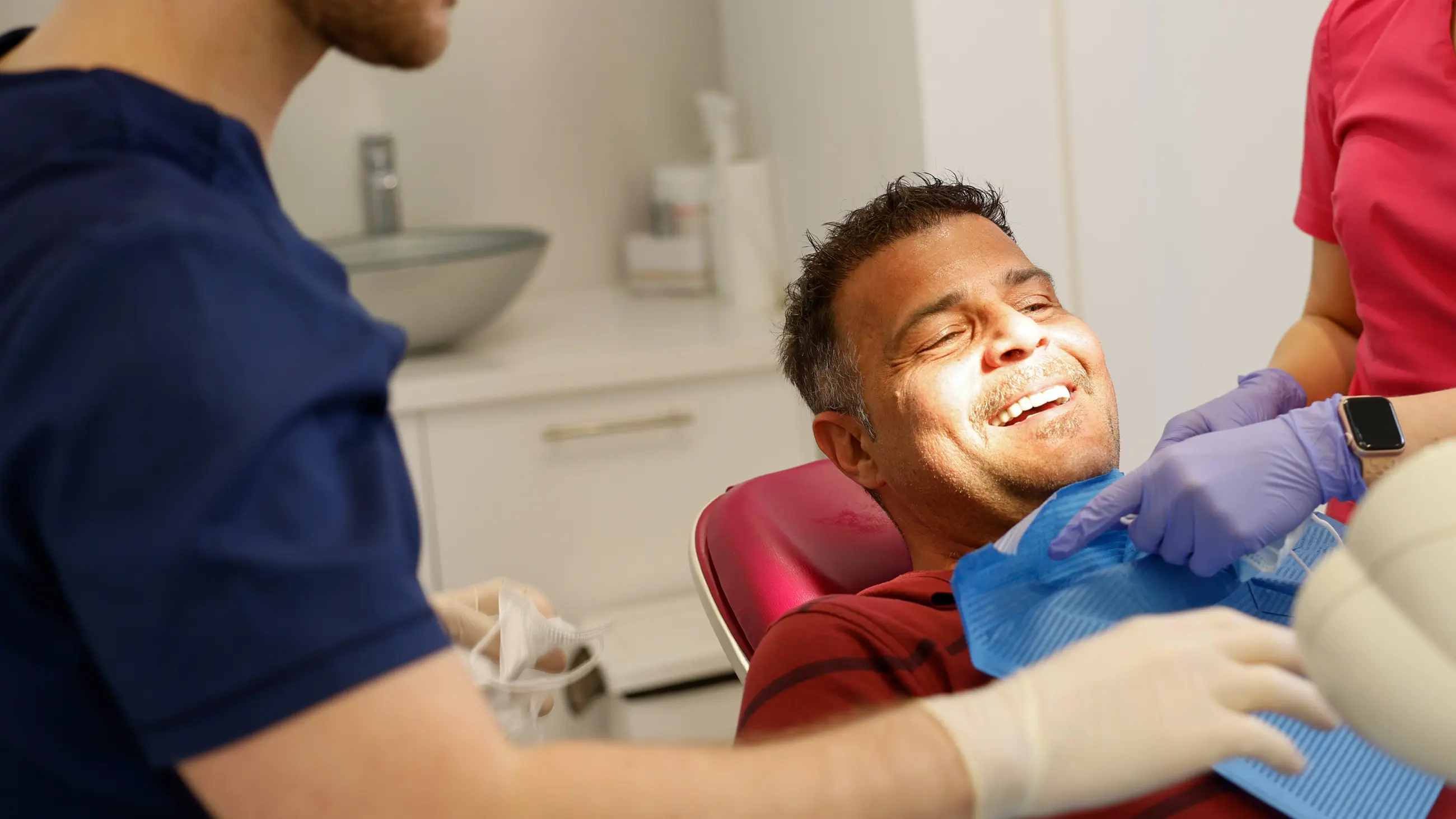
Conscious sedation under the supervision of a specialist anaesthetist provides a calmer and more comfortable experience during complex implant procedures. It is particularly useful when treatment is required on both jaws, as, where clinically appropriate, the entire procedure can be completed in a single appointment, with a high level of comfort and specialist anaesthetic supervision.
The procedure
Before the procedure, a specialist anaesthetist examines the patient, takes a detailed medical history and assesses their general health, current medication and any potential risk factors. Based on this assessment, the anaesthetist determines whether intravenous conscious sedation is appropriate and how it should be administered.
Immediately before the procedure, the patient is prepared for sedation and an intravenous cannula is inserted through which sedative medication is administered. The medication is given gradually in individually adjusted doses, according to the patient’s response and the course of the procedure.
Throughout the procedure, the anaesthetist remains with the patient and continuously monitors their response to sedation, level of consciousness and general condition. The level of sedation can be adjusted as required, while the patient remains conscious and able to communicate with the dentist.
Once the procedure is completed, the sedative medication is stopped, and the patient remains under the supervision of the anaesthesiology team until they have recovered sufficiently and the anaesthetist considers them ready to leave accompanied by a responsible adult.
Advantages of conscious sedation
Conscious sedation allows the patient to undergo more demanding dental procedures in a calmer, more relaxed state, without anxiety or discomfort, while remaining able to communicate with the dentist throughout the procedure.
It is particularly useful for lengthy or complex procedures and for patients who experience anxiety about dental treatment. Where clinically indicated, it can allow a greater amount of treatment, including procedures on both jaws, to be completed in a single appointment, reducing both the number of visits and the overall treatment time.
 Chat on WhatsApp